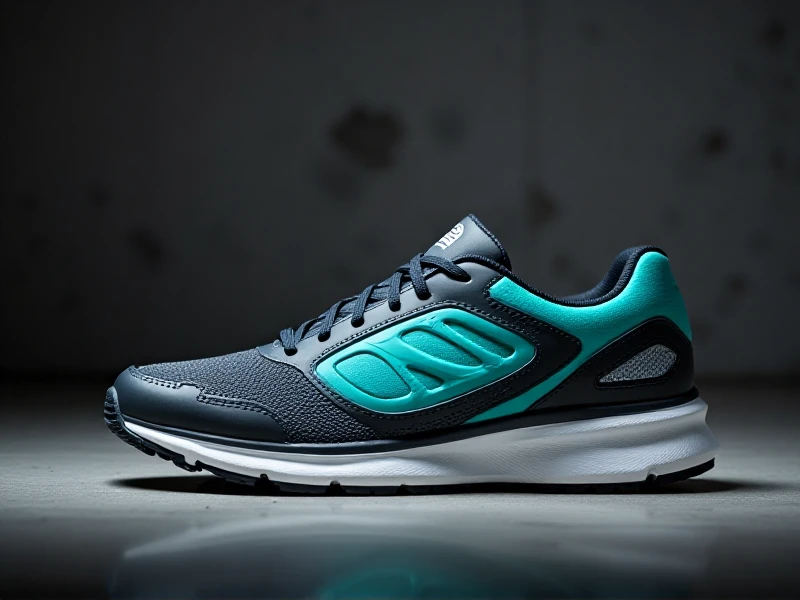
The Ultimate Guide to Choosing the Best Running Shoes for Performance
Selecting the right pair of running shoes is crucial for any runner, whether you're a beginner starting your fitness journey or an experienced marathon enthusiast aiming for a personal best. With the vast array of running shoes available today, finding the perfect fit can feel overwhelming, but a well-chosen pair enhances comfort, reduces injury risks, and boosts overall performance. In this guide, we'll explore key features to look for, different types of running shoes, and tips to help you make an informed decision that suits your unique needs.
First, consider the essential characteristics of high-quality running shoes. Prioritize cushioning—good running shoes absorb impact forces during each stride, protecting your joints from strain. Opt for models with responsive midsoles and ample padding around the heel and forefoot area. Next, focus on support: stability running shoes often include features like medial posts or arch reinforcements to correct overpronation (when feet roll inward excessively), which is common among runners. Additionally, breathable materials such as mesh uppers in running shoes keep feet cool and dry, preventing blisters during long runs, while durable rubber outsoles provide reliable traction on various surfaces, from pavement to trails.
There are several types of running shoes tailored to different running styles and foot conditions. Neutral running shoes are ideal for runners with a natural gait, offering balanced cushioning without extra modifications. Stability running shoes cater to those needing support for overpronation, incorporating firmer elements to maintain proper alignment. Minimalist running shoes, with their low profile and lightweight design, promote a more natural foot strike for experienced users but might not suit everyone—especially beginners. Trail running shoes, in contrast, feature aggressive treads for rugged outdoor paths. Knowing your running environment and any foot issues (like high arches or previous injuries) can guide your choice toward the best running shoes category.
To choose your perfect pair, start by assessing your gait and foot shape. Visit a specialty running store for a free gait analysis if possible—it helps identify your stride dynamics. When trying on running shoes, ensure a snug but not constricted fit by allowing a thumb's width of space at the toe, and test them on a short run indoors. Remember, comfort is king: the best running shoes should feel supportive from the first step without any pressure points or slip. Investing in quality running shoes might seem pricey, but it pays off in fewer injuries, enhanced runs, and sheer enjoyment.
In conclusion, great running shoes are an investment in your health and running success. By understanding key features, exploring types, and prioritizing fit, you'll confidently pick a pair that elevates every stride. Share your experiences in the comments, and happy trails! ( 422)