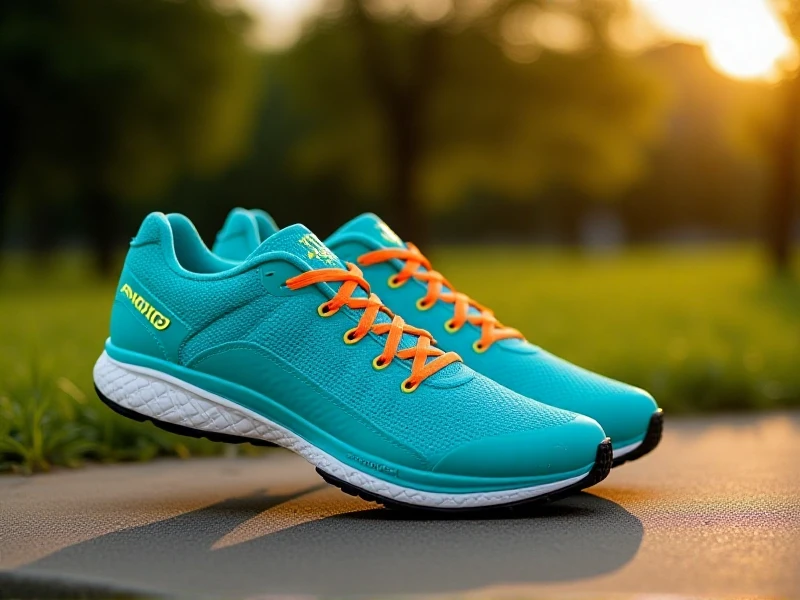
How to Find the Perfect Pair of Running Shoes for Peak Performance
Running is a powerful way to boost your fitness and clear your mind, but the wrong shoes can turn a liberating run into a painful ordeal. Your running shoes aren't just footwear; they are critical pieces of equipment that influence your comfort, performance, and long-term joint health. Choosing the right pair is the foundation for a rewarding running experience, whether you’re tackling your first 5k or training for a marathon.
Understanding the Running Shoe Spectrum
Running shoes are meticulously engineered for different needs and foot types. The three primary categories are:
- Cushioned/Neutral Running Shoes: Designed for runners with efficient biomechanics (neutral stride) who need maximum shock absorption. They offer plush cushioning, especially in the heel and midfoot, perfect for road runners aiming for comfort.
- Stability Running Shoes: Ideal for runners who experience mild to moderate overpronation (where the foot rolls inward excessively). These shoes incorporate features like medial posts (denser foam on the inner side) or guide rails to help align the foot and ankle during the gait cycle, providing support without sacrificing too much cushion.
- Motion Control Running Shoes: These offer the highest level of support for severe overpronators or heavier runners requiring maximum structure. They feature rigid heel counters and robust medial support systems to drastically limit inward roll. Lightweight/Racing Running Shoes: Focused on speed and efficiency, these are significantly lighter and often less cushioned, usually preferred by neutral runners for races or speedwork. Some incorporate aggressive soles or "plates" designed to propel you forward.
Selecting Your Ideal Pair: Key Considerations
Finding the perfect running shoes involves more than just liking the color:
- Your Foot & Stride: Knowing if you have a neutral gait, overpronate, or underpronate (supinate) is crucial. Many specialty running stores offer gait analysis.
- Your Arch Type: While linked to your gait, high arches often benefit from neutral, cushioned options, while flatter arches usually lean towards stability or motion control.
- Running Terrain: Road shoes, trail shoes (aggressive tread, protective plates), and cross-trainers differ significantly. Choose based on where you run most often.
- Run Fit and Feel: A properly sized running shoe allows about a thumb's width of space between your longest toe (usually the big toe) and the end of the shoe. Your heel should feel snug but not tight, with ample room in the toe box to wiggle your toes. The shoes should feel comfortable immediately. Don't expect a long "break-in" period for modern performance running shoes. Take them for a jog around the store!
Investing in Your Miles
Your running shoes are durable but not eternal. Experts generally recommend replacing them every 300-500 miles. Signs that your trusty pair is worn out? Noticeable tread loss on the outsole, foam that feels compressed and no longer bounces back, persistent aches and pains in your feet, legs, knees, or hips, or visible wrinkles in the midsole foam.
Choosing the right running shoes tailored to your unique body and running goals is the single most important gear decision you can make. It prevents injury, enhances comfort, and allows your running passion to flourish mile after mile. Visit a reputable running specialty store for expert advice and gait analysis to find your ultimate performance partner. Your feet will thank you, and your runs will shine!