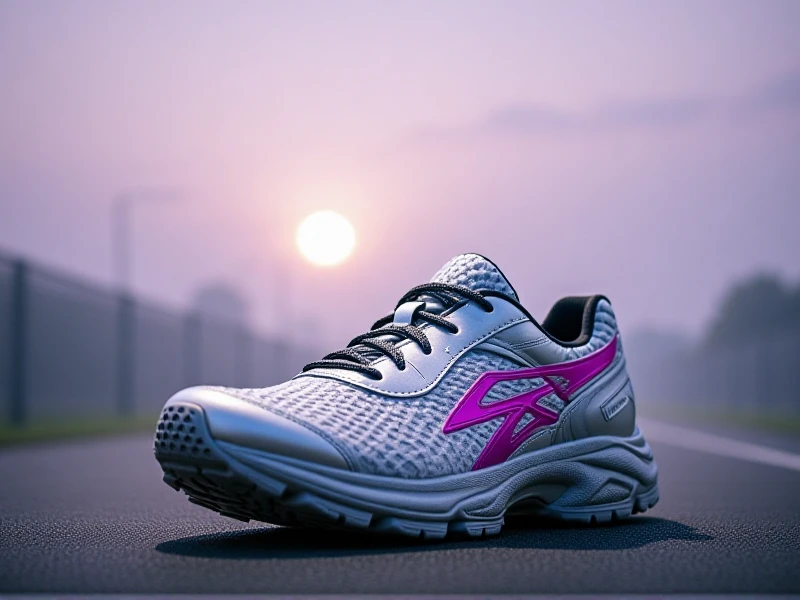
Finding Your Perfect Pair: The Ultimate Guide to Running Shoes
Step outside, feel the pavement, and unlock your potential – it all starts with the right pair of running shoes. Your feet are your foundation, impacting performance, comfort, and injury prevention. Choosing correctly makes all the difference between a fulfilling run and a painful experience.
Why the Right Running Shoe Matters Tremendously
Think of running shoes as essential equipment, not just footwear. They absorb the significant shock of each stride – forces exceeding several times your body weight. The ideal pair acts as a mediator between your unique biomechanics and the ground, providing necessary support, cushioning, and stability where your feet need it most. Ill-fitting or unsuitable shoes are prime culprits for common runner woes like shin splints, plantar fasciitis, knee pain, and blisters.
Decoding Your Shoe Needs: Key Selection Factors
-
Running Terrain: Where do you log most of your miles?
- Road Running Shoes: Designed for asphalt and concrete. Prioritize cushioning, lightness, and responsive feels.
- Trail Running Shoes: Built for dirt, rocks, roots, and mud. Feature aggressive lugs for grip, enhanced durability, rock plates for protection, and often added stability.
- Track or Racing Flats: Ultra-lightweight for speedwork and competitions on tracks or smooth surfaces; offer minimal cushioning for maximum propulsion.
-
Your Unique Footprint (Foot Strike & Arch Type):
- Supination (Underpronation): Foot rolls outward. Often requires neutral shoes with significant flexibility and cushioning.
- Neutral Pronation: Efficient, moderate inward roll. A neutral cushioned shoe typically works perfectly.
- Overpronation: Excessive inward roll. Often benefits from stability or motion control shoes offering medial (inner side) support technology.
- Understanding your arch profile (high, neutral, low/flat) directly relates to pronation and support needs.
-
Fit is Non-Negotiable: Your running shoe size might differ from your everyday shoe size! Prioritize:
- Thumb's Width Rule: At least a thumb's width space from your longest toe to the end of the shoe.
- The Right Snugness: Snug heel, secure midfoot (laced properly, shouldn't slip), roomy toebox to wiggle toes.
- Afternoon Fitting: Feet swell slightly throughout the day – shop later for the truest fit.
- Wear Running Socks: Bring your typical running socks to the fitting.
Understanding Shoe Anatomy: Cushioning, Stability & Your Ride
Cushioning material impacts both shock absorption and energy return. Stability elements guide the foot into a more neutral path during pronation. Brands use unique technologies (Gel, Air, Boost, Foam compositions) offering different sensations – firm, plush, springy, or responsive. There's no single "best," just the best for you based on feel and biomechanics.
Don't Wait Until They're Worn Out: Running shoes typically last 300-500 miles. Pay attention! Persistent aches, visible midsole creasing, or uneven tread wear are clear signs it's time to retire your trusted pair.
Investing time in finding your perfect running shoes is an investment in your joy, progress, and long-term running health. Visit a specialist running store for gait analysis and expert fitting advice – hitting your stride comfortably starts from the ground up. Find the pair that propels you forward!